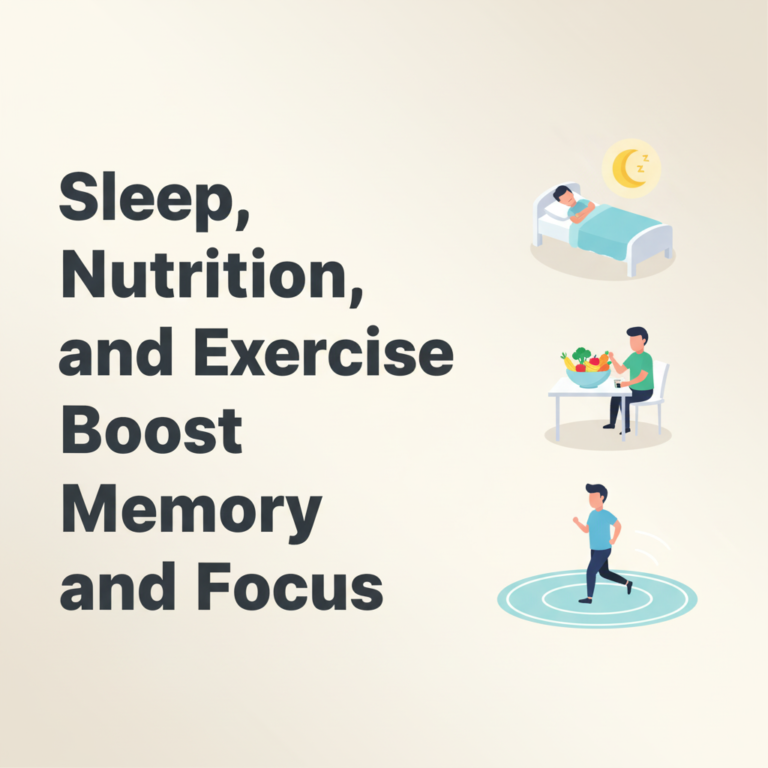
Why this “study power trio” matters
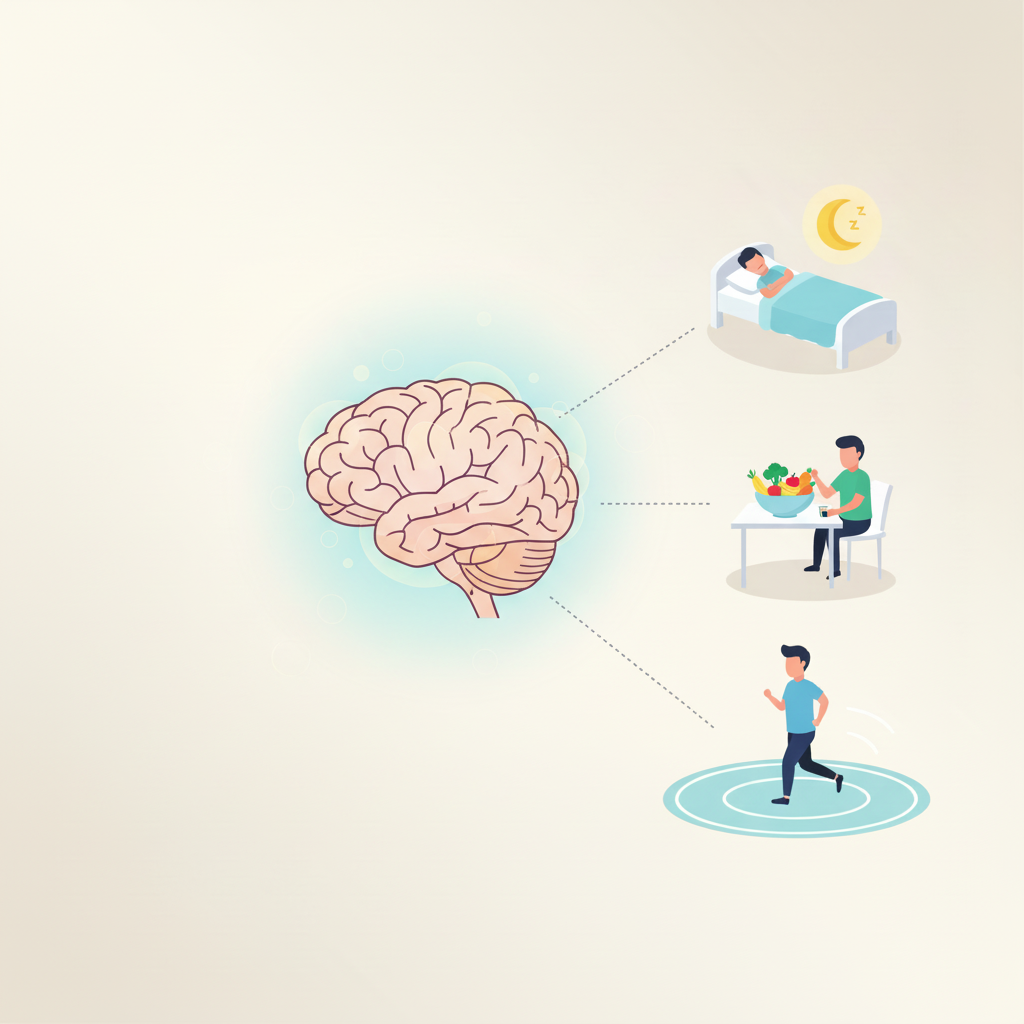
Good sleep helps the brain store what you studied, so you can recall it during tests more easily. When students do not sleep enough, their attention, problem‑solving, and mood all drop, which makes learning harder.
Healthy food fuels the brain with vitamins, minerals, and healthy fats needed for clear thinking and steady energy. In contrast, too much junk food, sugar, and dehydration can cause energy crashes and poor concentration in class and while revising.
Regular exercise increases blood flow to the brain and supports memory, focus, and faster thinking. Studies show that a mix of aerobic activities (like walking or cycling) and strength exercises can improve attention and working memory.
Sleep tips for sharper memory
- Aim for 8–10 hours of sleep each night if you are a teenager, with a consistent bedtime and wake‑up time. A regular routine helps your body clock and improves sleep quality.
- Avoid heavy meals, energy drinks, and screens right before bed so your brain can relax and fall asleep faster. A short wind‑down routine with reading, quiet music, or deep breathing can calm exam stress.
Smart nutrition for student brains
- Build a balanced plate with fruits, vegetables, whole grains, pulses or lean proteins, and healthy fats like nuts and seeds. These foods support memory, concentration, and stable energy for long study sessions.
- Keep a water bottle nearby while studying and in school to avoid dehydration, which can slow thinking and make you feel tired. Try to limit sugary snacks and very caffeinated drinks that cause quick highs and sudden energy crashes.
Movement habits to boost focus
- Aim for at least 30–45 minutes of movement most days of the week, such as brisk walking, cycling, dancing, or sports. Regular activity releases “feel‑good” chemicals in the brain that reduce stress and make it easier to focus on your work.
- Use short “movement breaks” between study blocks to stretch, walk, or do a few light exercises. These breaks refresh your mind, reduce mental fatigue, and help you return to your books with better concentration.
Putting it all together: a simple daily routine
- Morning: Hydrate, eat a balanced breakfast, and walk or cycle part of the way to school if possible. This starts your day with energy and activates your brain for learning.
- After school: Have a healthy snack, study in focused blocks with short movement breaks, and avoid constant multitasking on screens.
- Night: Finish heavy screen use and caffeinated drinks well before bedtime, follow a calming routine, and sleep on time to lock in what you studied.
When students treat sleep, nutrition, and exercise as part of their study plan—not extra tasks—they create strong, healthy habits that support better memory, focus, and exam performance.